This page compares renting versus buying a home in the St. Louis area, honestly and without hype. There is no single right answer: the best choice depends on your timeline, your savings, your job stability, and how you feel about maintenance. Here is a practical way to work through it, grounded in the current local market and nearly two decades of helping buyers make this exact decision.
"Buying is always better" and "renting is throwing money away" are both oversimplifications. In reality, homeowners build equity and lock in payments, while renters keep flexibility and skip the repair bills. The right call comes from four honest answers about your own life.
How long do you plan to stay? Buying involves upfront costs that usually need several years of ownership to make sense. If you might move within two years, renting often wins on cost.
Do you have cash for a down payment and closing costs, or are you still building it? A lender can tell you exactly what a given price would require, and getting pre-approved costs nothing.
A mortgage is a 15- or 30-year commitment, so steady income and a solid credit profile matter. Renters can adapt at the end of a lease; owners plan around a loan.
When the water heater fails at 9 pm, who fixes it? Renters call the landlord. Owners own the problem, so a comfortable repair budget has to be part of the ownership math.
A fixed rent for the term of the lease, with possible increases when you renew.
A mortgage payment that bundles principal, interest, property taxes, and homeowners insurance. A fixed-rate loan keeps that payment level for the life of the loan.
Usually the first month of rent plus a security deposit, and sometimes an application fee.
A down payment plus closing costs. The amounts vary with the loan program and the purchase price.
Your rent pays down the landlord asset, not your own.
Each payment builds your ownership stake through principal. The home may also appreciate over time, though appreciation is never guaranteed.
The landlord handles repairs, from a broken disposal to a new roof.
You own every repair: roof, HVAC, plumbing, appliances. Wise owners keep a reserve fund for surprises.
Painting and updates usually need permission, and improvements stay with the unit.
Paint, renovate, and landscape. Your home, your choices.
At lease end you can walk away with proper notice.
Selling takes time and comes with its own costs, so buyers usually plan to stay for several years.
Property taxes are the landlord expense, factored into the rent you pay.
You pay property taxes directly, and mortgage interest and property tax may be deductible depending on your situation. A tax professional can run your specifics.
Current rental listings in Affton and ZIP 63123 list 3-bedroom houses mostly around $1,650 to $2,400 a month, and 4-bedroom houses roughly $2,000 to $2,900 a month, based on listings gathered in late 2026 from portals like Apartments.com, Homes.com, and Trulia. These are asking rents, not guarantees, and the number you can renew for another year is often higher than the number you signed at.
Renting also means no equity, no deduction of mortgage interest, and no control over the lawn or the paint color unless the landlord says so.
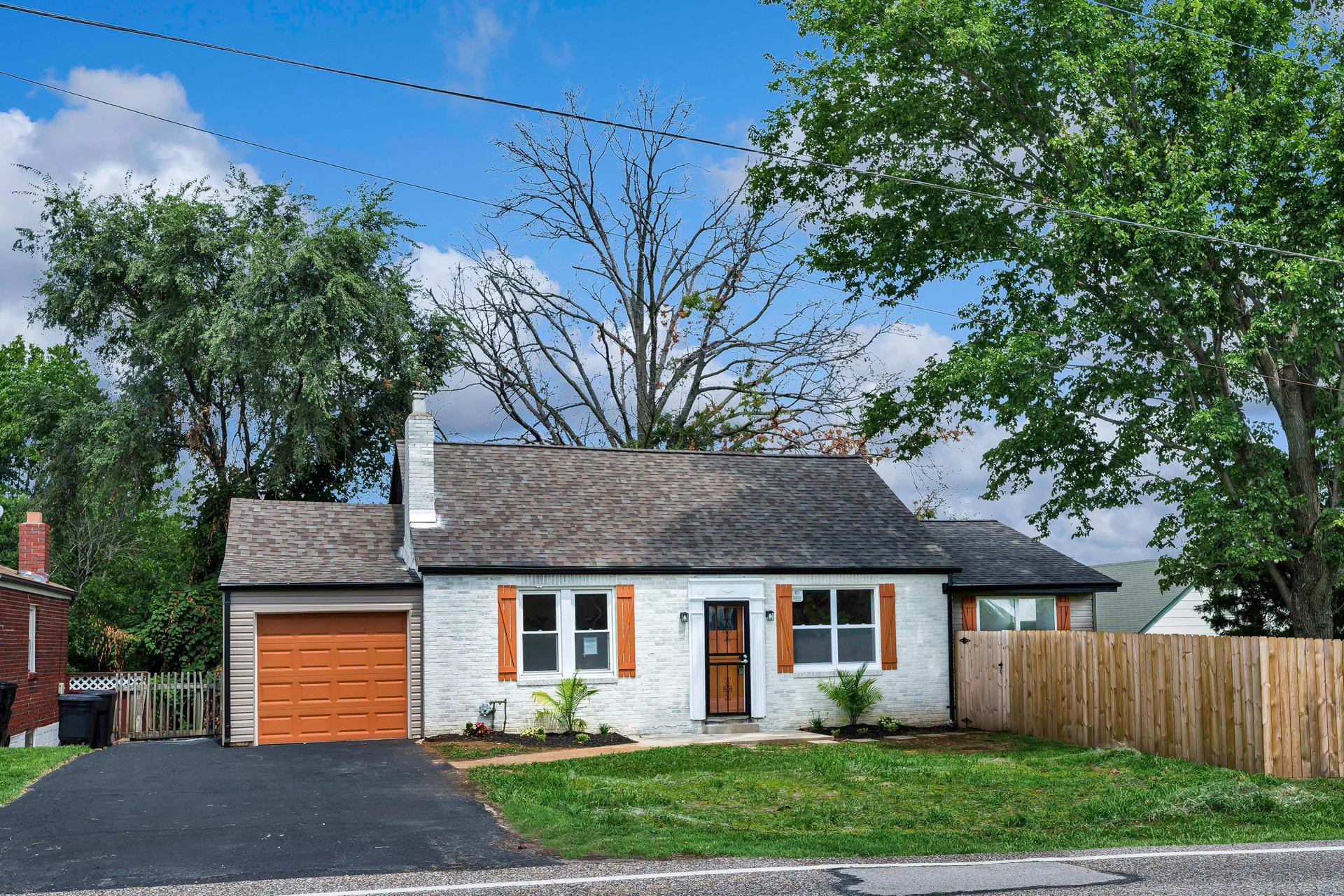
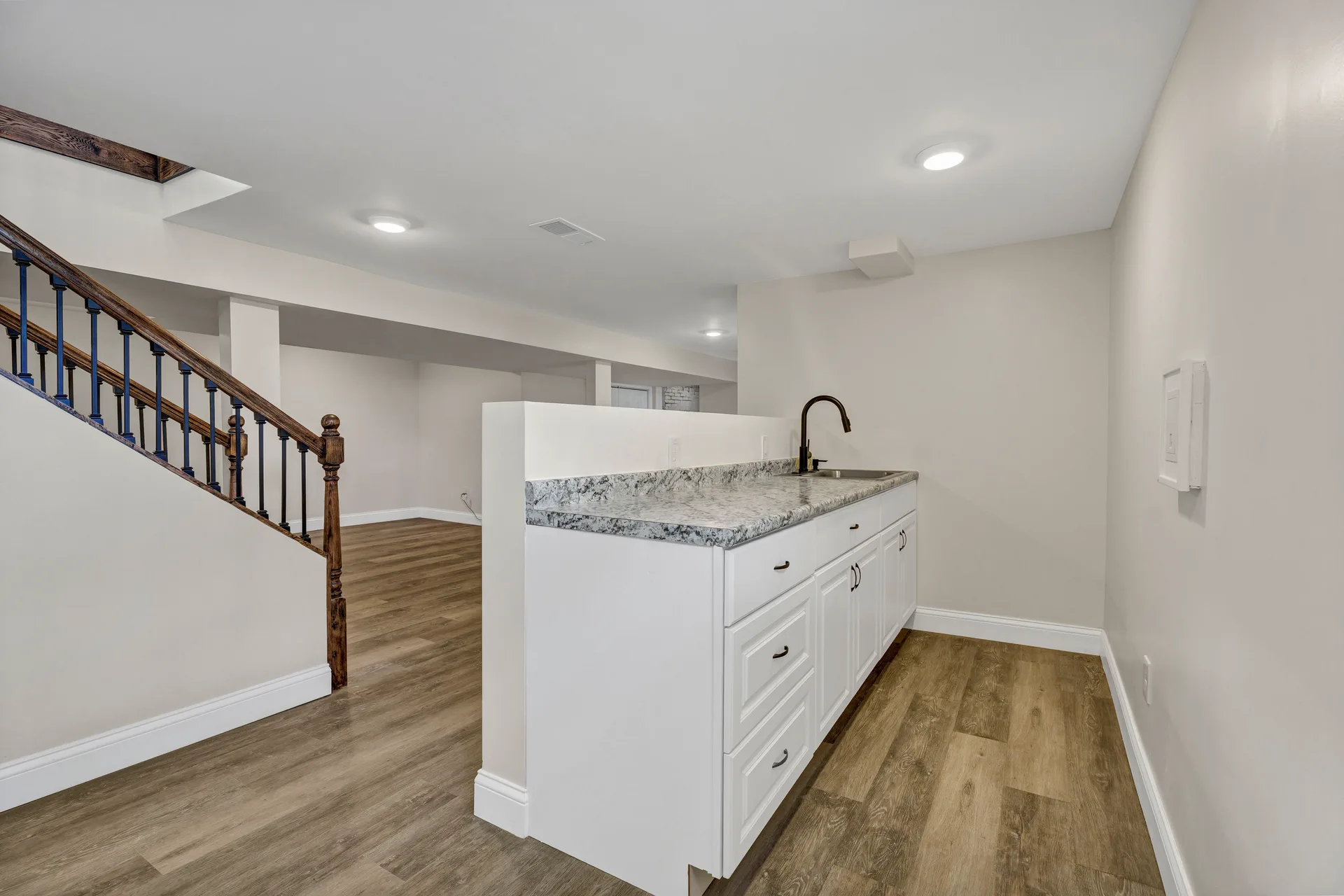
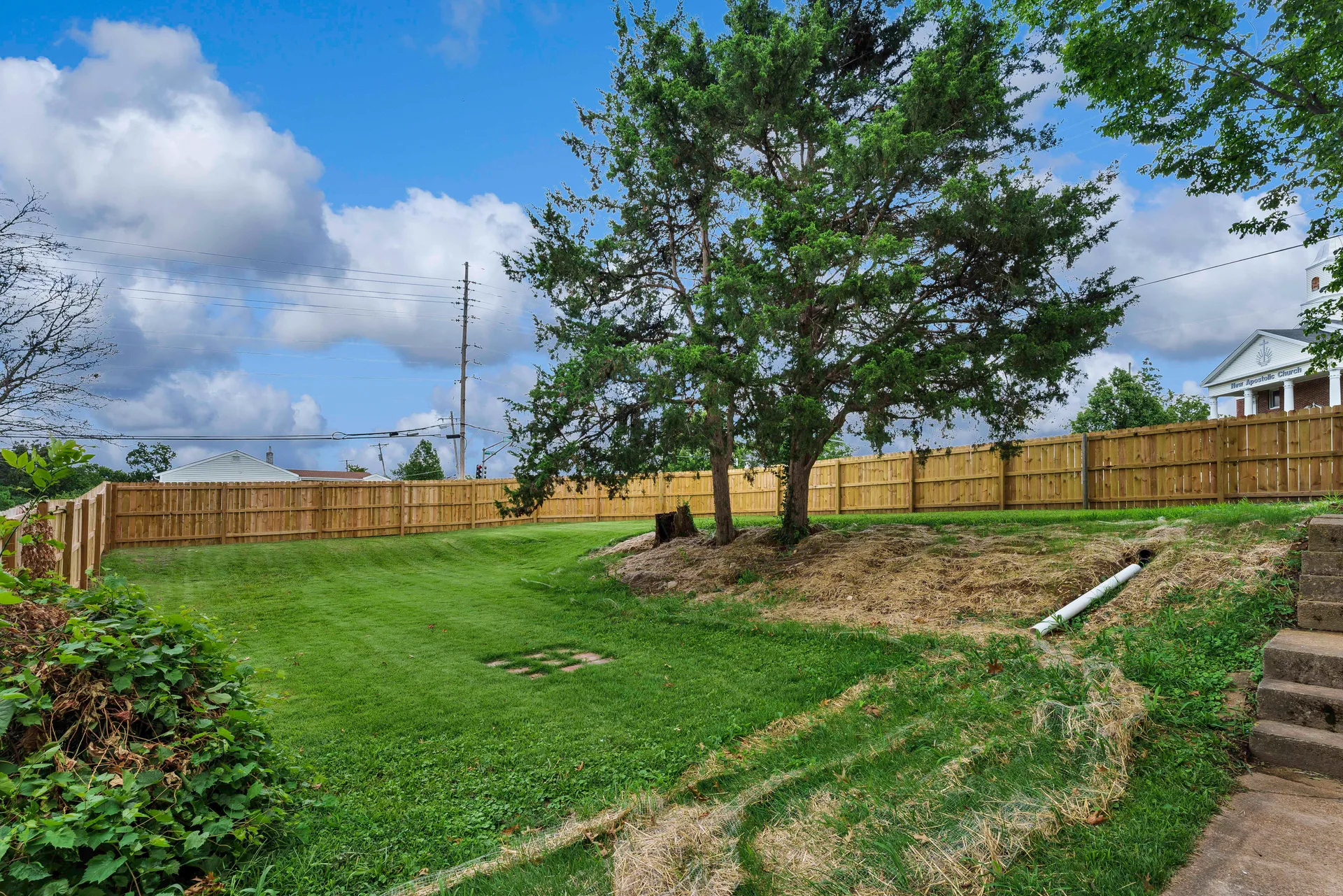
For comparison, 9607 Reavis Rd in Affton is listed at $289,900: a fully rehabbed 4-bedroom, 2-bath home with about 2,440 square feet, a finished walkout lower level, and a privacy-fenced backyard. November 2026 research on this site notes that reported medians in Affton and 63123 range from about $260,000 to around $264,922, with homes selling in about 10 days on average by Redfin's measure and inventory well above last year's levels.
Ownership adds real costs the rent number hides: property taxes, insurance, and maintenance. That is why a monthly payment can look higher than a rent check and still come out ahead over time, or the reverse, depending on your situation.
Rent figures are approximate asking rents from current third-party listings and vary by size, condition, and exact location. Sales ranges are approximate research ranges published on this site, not guarantees. Always verify current rates, prices, and loan requirements directly with a lender and the relevant sources.
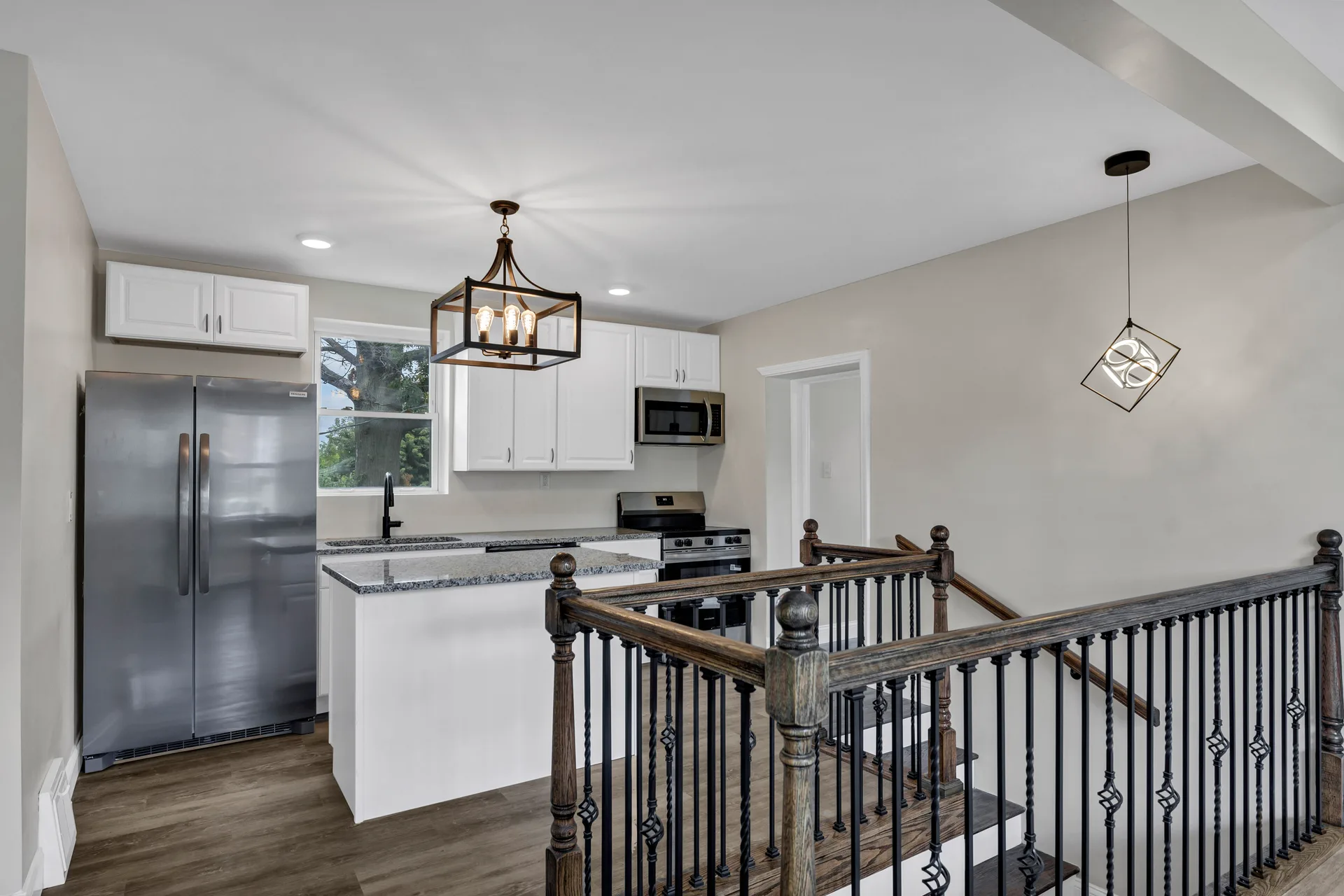
Move-in ready matters in this decision, because the biggest hidden cost of buying is usually the project list you inherit. Here the renovation is already complete, a complete rehab from top to bottom. That is the version of homeownership where you can unpack, not renovate.
A complete, move-in-ready rehab
3 on the main floor, 1 more in the lower level
1,120 main floor + 1,320 finished lower level
Bedroom, full bath, rec room, laundry, wet bar
New appliances, granite counters, new cabinets
Privacy fence and mature trees
Answer these out loud or on paper. Most people find that the answers point clearly in one direction.
1. How many years do I realistically plan to stay in this area?
2. Do I have the savings for a down payment and closing costs, or a clear path to them?
3. Is my income stable enough to carry a mortgage through the unexpected?
4. How do I feel about owning repairs, maintenance, and the occasional expensive surprise?
5. Does renting give me the space, yard, and stability I want, or am I settling?
6. Have I compared monthly costs apples to apples, including taxes, insurance, and maintenance?
7. Could owning this home cost me less over the years I plan to stay than renting would?
Realtor · Coldwell Banker Realty
There is no universal winner in the rent-versus-buy argument, and my honest take after nearly two decades in this business is that the right answer depends on your life, not the market headlines. What works for one person's finances and timeline may not apply to yours at all.
Tracey started in real estate in St. Louis in 2006 and has spent her career guiding first-time buyers, veterans, and relocating families through decisions exactly like this one. A consultation is free, unhurried, and comes with no obligation to buy or sell.
Take the checklist above, then bring your numbers to a free conversation. You will leave with a clearer answer either way.